


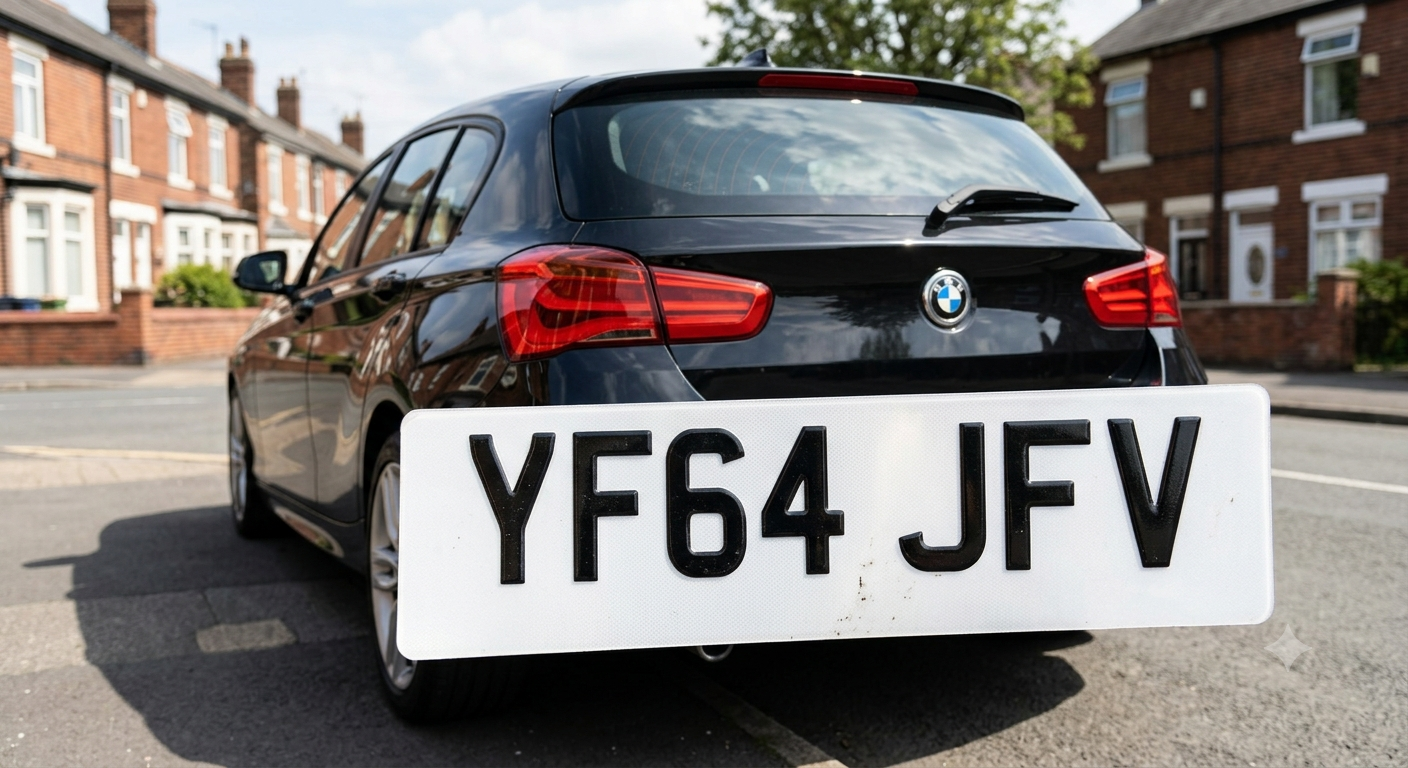
When purchasing a used vehicle in the United Kingdom, conducting thorough background research is the most critical step for any buyer. Today, thousands of smart consumers look up specific registration plates like YF64 JFV to uncover a car’s hidden past. Whether you are investigating this specific vehicle or simply learning how to navigate the UK’s Driver and Vehicle Licensing Agency (DVLA) system, having the right information is essential.
Consequently, this comprehensive guide will break down exactly what the registration number YF64 JFV reveals about a car’s identity. In addition, we will explain how to perform free and premium vehicle history checks to protect your financial investment.
1. Decoding the UK Number Plate: What Does YF64 JFV Mean?
The UK vehicle registration system follows a highly structured format that provides immediate data to anyone who knows how to read it. By analyzing the individual characters of YF64 JFV, we can instantly discover the vehicle’s original registration location and its exact age.
The Regional Identifier (YF)
The first two letters of a UK number plate are known as the local memory tag. These letters indicate the specific regional DVLA office where the vehicle was initially registered.
- The Letter “Y”: This represents the Yorkshire region.
- The Letter “F”: This points directly to the Leeds DVLA office.
Therefore, whenever you see a plate starting with YF, you know the vehicle started its operational life in the Yorkshire area.
The Age Identifier (64)
The two numbers in the middle of the plate reveal the exact age of the car based on a specific six-month registration window. The DVLA releases two age identifiers every year. The number “64” indicates that this vehicle was registered between September 1, 2014, and February 28, 2015. For this reason, any car carrying the YF64 JFV tag is a late 2014 or early 2015 model.
The Random Letters (JFV)
The final three letters of the plate are entirely random. Their primary purpose is to uniquely identify this specific vehicle from all other cars registered during that same six-month period in Yorkshire.
2. Why You Must Check the History of a 2014/2015 Vehicle
Buying a used car that is around a decade old, such as a 2014 or 2015 model, requires extra caution. While modern cars are built to last, their background history can vary drastically. Running a vehicle history check on a plate like YF64 JFV helps you look past a polished exterior and find the truth.
Verifying the MOT History
First, an MOT history check tells you whether a car is legally roadworthy. Every vehicle over three years old in the UK must pass an annual MOT test. Checking the public records allows you to see:
- If the vehicle passed or failed its previous tests.
- The exact reasons for any past failures.
- “Advisory notices” which warn you about parts that are wearing out, such as brake pads or tyres.
Spotting Odometer Fraud (Clocking)
Second, dishonest sellers sometimes roll back the digital odometer on a car to show a lower mileage. They do this to artificially increase the vehicle’s market value. However, by running a history check, you can see the mileage recorded at every single annual MOT test. If the mileage suddenly drops between two years, you are dealing with a scam.
Tracking Outstanding Finance
Furthermore, thousands of cars on UK roads are currently under active finance agreements, such as Logbook Loans or Personal Contract Purchase (PCP) deals. If you buy a vehicle that has outstanding finance, the finance company legally owns the car, not the seller. Consequently, the lender can repossess the car from you, leaving you without a vehicle and out of money.
Uncovering Insurance Write-Offs
Finally, a detailed check will tell you if the car has ever been involved in a major accident. If an insurance company decides that repairing a damaged car costs too much, they declare it a “write-off.” These are usually categorized as Category S (Structural damage) or Category N (Non-structural damage). Buying an undeclared write-off is extremely dangerous for your safety on the road.
3. How to Run a Free DVLA Check on YF64 JFV
Fortunately, the UK government provides excellent free tools to help consumers verify basic vehicle details. You can easily access this data by following these steps:
- Visit the Official Portal: Go to the official gov.uk “Get vehicle information from DVLA” service.
- Enter the Plate: Type YF64 JFV into the search box and click continue.
- Confirm the Vehicle: The system will ask you to confirm if the make and color match the vehicle you are looking at.
Once confirmed, the system will instantly display the live data, including:
- Current road tax status and expiry date.
- Current MOT status and expiry date.
- Engine size (cc) and fuel type (e.g., Diesel or Petrol).
- Date of first registration.
- Logbook (V5C) issue date.
4. When Should You Upgrade to a Premium History Check?
While the free government check is an excellent starting point, it does not show everything. The DVLA does not record insurance write-offs, financial loans, or theft reports on their public free tool.
Therefore, if you are seriously planning to buy a vehicle like YF64 JFV, spending a small fee on a premium check (such as HPI Check, Experian, or CarVertical) is highly recommended. A premium check provides a complete financial and legal guarantee. If the report misses a hidden issue, the checking service usually offers data guarantee insurance to cover your financial losses.
5. Vital Checklist When Inspecting a Used Vehicle
Once your digital checks for YF64 JFV are clear, you must perform a physical inspection. Always inspect a car during daylight hours and when it is dry, as rain can easily hide bodywork scratches and paint defects.
- Check the Paperwork: Always ask to see the original V5C logbook. Ensure the Vehicle Identification Number (VIN) stamped on the car’s chassis matches the VIN printed on the document.
- Inspect the Body Panels: Look for uneven gaps between the doors, bonnet, and wings. Uneven gaps indicate that panels were replaced after an accident.
- Test the Electronics: Turn on every switch inside the cabin. Test the air conditioning, electric windows, radio, and dashboard lights to ensure everything functions properly.
- Take a Test Drive: Drive the car for at least 15 to 20 minutes. Listen closely for any knocking sounds from the suspension or unusual whirring noises from the gearbox.
Conclusion
Every vehicle registration number in the United Kingdom, including YF64 JFV, serves as a transparent gateway to a car’s operational and legal history. By understanding the regional registration codes and utilizing the digital check tools provided by the government, you can successfully avoid fraud. Never rush into buying a used vehicle without doing your homework. Spending a few minutes running a background check today can save you thousands of pounds in repairs and legal headaches tomorrow.