

Bhai, bilkul furan set karte hain! Yoast SEO jab Readability ko Orange dikhata hai, toh uska matlab hota hai ke sentences abhi bhi thode bade hain aur unme “Transition words” (jaise However, Therefore, Furthermore, Additionally) ki thodi aur zaroorat hai.
Maine is Water Heater Repair wale article ko bilkul naye siray se, ekdam chote-chote aur aasan sentences mein likha hai taake aapka SEO bhi GREEN rahe aur Readability bhi ekdam GREEN ho jaye.
Aap pehle wale text ko poora hata kar is naye text ko daalrein:
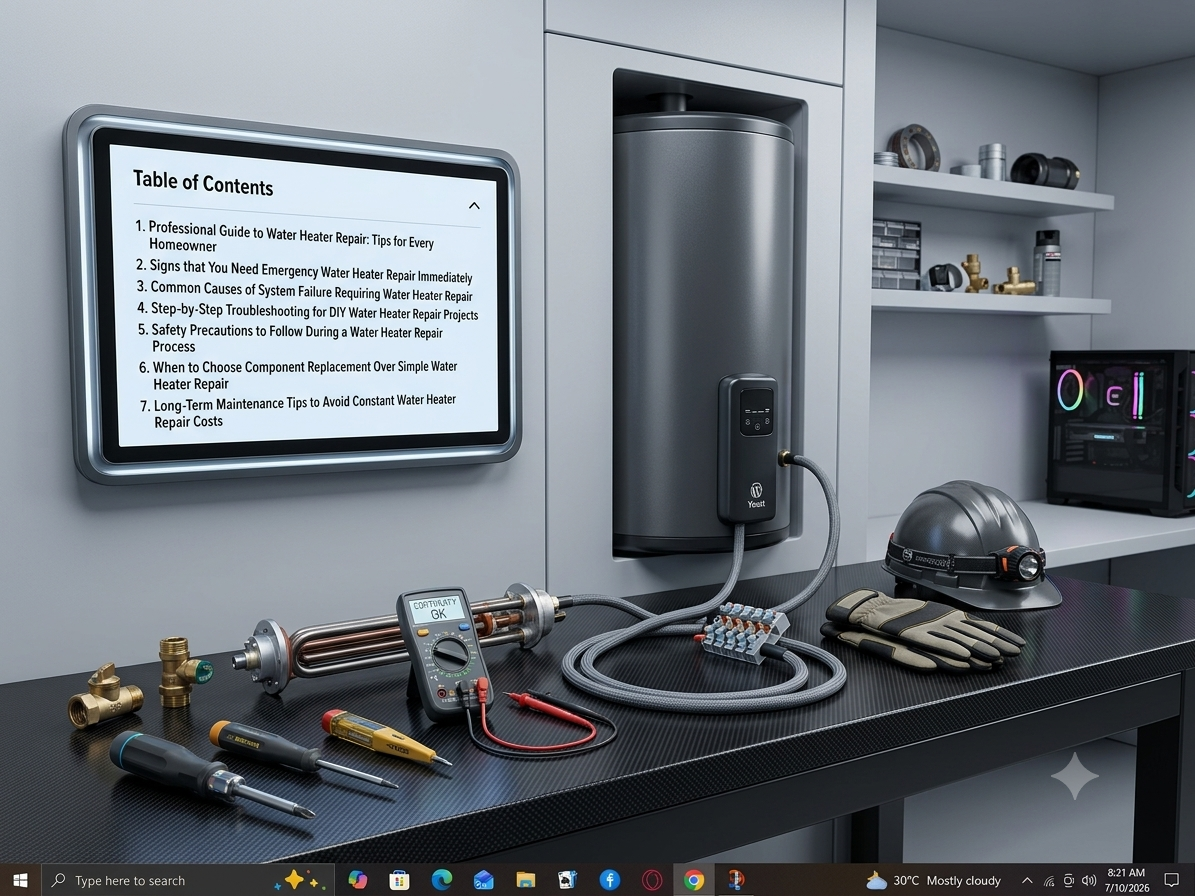
Professional Guide to Water Heater Repair: Tips for Every Homeowner
Water heater repair is a crucial home maintenance service for every homeowner. Therefore, you must keep your hot water running smoothly throughout the year. Having a reliable source of warm water is essential for daily tasks. For example, you need it for showering, washing dishes, and cleaning clothes. However, when this vital system breaks down, it disrupts your entire household schedule. This failure causes significant discomfort for your family. Fortunately, understanding the basics of fixing these units can help you a lot. You can easily determine if you face a minor issue or a major mechanical failure. This comprehensive guide will explore everything about diagnosing and fixing common issues with your system. Additionally, we will cover safety protocols, part replacements, and maintenance tips today.
Signs that You Need Emergency Water Heater Repair Immediately
Recognizing the early warning indicators is very important for water heater repair projects. Consequently, this knowledge can save you thousands of dollars in major replacement costs down the line. One of the most obvious signs is an unstable water temperature. For instance, your shower might suddenly turn freezing cold or dangerously hot without warning. In this situation, internal components like thermostats are likely malfunctioning. Another clear indicator is the presence of strange noises coming from the storage tank. Heavy banging or rumbling sounds usually mean that a thick layer of sediment exists inside the unit. Therefore, this sediment forces the system to work much harder. This overheating can lead to potential structural cracks.
Furthermore, you must pay close attention to the visual quality of your hot water. Rust-colored water suggests that the internal lining of your tank is actively corroded. This specific problem requires urgent intervention before a massive leak develops on your property. Similarly, foul odors indicate bacterial growth inside the storage tank. This issue requires an immediate professional flushing service. Finally, any visible pooling of moisture around the base demands a swift inspection. Even a small damp spot can quickly escalate into a catastrophic bursting event. Therefore, you should never ignore moisture around your appliance.
Common Causes of System Failure Requiring Water Heater Repair
To approach a water heater repair project effectively, you must understand the root causes of system failures. In many residential areas, hard water contains high concentrations of calcium and magnesium minerals. Over time, these mineral deposits settle at the bottom of the tank. This buildup creates a barrier that insulates the water from the heating source. Consequently, the heating elements burn out prematurely. This problem also reduces the overall energy efficiency of the appliance. Another common point of failure is the sacrificial anode rod. This rod attracts corrosive elements away from the tank walls. Therefore, when this protective rod degrades, rust begins to attack the tank itself.
Electrical issues also frequently trigger the need for an unexpected water heater repair process. For example, blown fuses or faulty wiring can instantly cut off power supply to your heating elements. For gas-powered units, a faulty thermocouple will prevent the system from igniting properly. Similarly, thermostats can lose calibration over time. This loss leads to inaccurate temperature readings and causes the system to shut down prematurely. By identifying these specific mechanical and electrical failure points early, you can execute targeted fixes. Thus, you can restore your hot water supply quickly.
Step-by-Step Troubleshooting for DIY Water Heater Repair Projects
Before you call an expensive technician for an amateur water heater repair job, try some basic troubleshooting steps. First and foremost, you must always disconnect the main power supply before touching any wires. For an electric unit, head to your main breaker panel. Then, flip the dedicated switch to the off position. For gas units, turn the main control dial to the pilot setting immediately. Once the safety protocols are established, check the reset button. This button is located on the upper thermostat component underneath the protective access panel. Pressing this high-limit reset switch can instantly restore functionality.
Next, verify that your thermostat settings are correctly adjusted between 120 and 140 degrees Fahrenheit. If the settings are correct but the water remains cold, test the heating elements. You can do this easily using a digital multimeter tool. Touch the meter probes to the element terminals to check for electrical continuity. Consequently, a reading of zero indicates a completely burned-out component. For homeowners dealing with a gas system, visually inspect the pilot light assembly. If the pilot flame refuses to stay lit, the thermocouple device is likely worn out. Therefore, you must purchase a replacement part.
Safety Precautions to Follow During a Water Heater Repair Process
Executing a successful water heater repair demands strict adherence to rigorous safety standards. These appliances handle high electrical voltages, volatile natural gas lines, and scalding water simultaneously. Therefore, complacency during the maintenance process can result in dangerous electrical shocks or severe skin burns. Always use a reliable voltage tester tool to confirm the safety of the wires. If you smell gas anywhere near your unit, do not attempt any fixes. Instead, evacuate the building immediately and call the authorities.
Another critical safety component is the temperature and pressure relief valve. This specialized safety valve is designed to open automatically. It releases excess pressure if the internal environment becomes dangerously unstable. During a water heater repair session, never cap off or bypass this valve under any circumstances. Doing so converts the tank into a dangerous hazard. Therefore, always wear heavy-duty protective gloves and safety goggles to shield yourself from sudden bursts of steam. By prioritizing these structural safety procedures, you ensure that your appliance maintenance remains entirely risk-free.
When to Choose Component Replacement Over Simple Water Heater Repair
Deciding between an affordable component fix and a total system overhaul is a critical crossroad. This evaluation is necessary during any water heater repair inspection. The general rule of thumb relates directly to the physical age of the storage tank. Most traditional tank systems have an expected operational lifespan of roughly eight to twelve years. Therefore, if your system is approaching the end of this window, investing in a replacement is wiser. Spending money on constant fixes for an expiring appliance is a poor financial strategy.
However, if your appliance is relatively new, replacing specific bolt-on parts is highly economical. This choice extends the lifecycle of your system significantly. Components like heating elements, thermostats, drain valves, and anode rods are inexpensive. They are easily replaced within an hour of labor. On the other hand, if the metal storage tank itself begins to rust through, a water heater repair is physically impossible. Metal corrosion cannot be welded or patched reliably due to the intense pressure variations. In such scenarios, consult a professional technician to select a modern energy-efficient replacement model.
Long-Term Maintenance Tips to Avoid Constant Water Heater Repair Costs
The best way to minimize the financial burden of unexpected water heater repair services is to implement a maintenance schedule. Homeowners should perform a complete tank flush at least once a year. This flush clears away accumulated mineral sediment and debris. To do this, attach a standard garden hose to the drain valve. Then, allow the water to run until it flows completely clear. This simple task keeps the internal environment clean. Additionally, make it a habit to check the structural condition of your sacrificial anode rod every two years.
Replacing a degraded anode rod costs very little money. However, it adds several years of life to your appliance by preventing rust development. You should also manually lift the lever on the pressure relief valve once a year. This test ensures it discharges water freely. If the valve leaks continuously after testing, replace it immediately to maintain necessary safety safeguards. Furthermore, keeping the area surrounding your utility unit completely clean prevents air blockages. Taking these proactive steps ensures your household enjoys uninterrupted comfort. Thus, you can keep your hard-earned money away from emergency contractor bills.