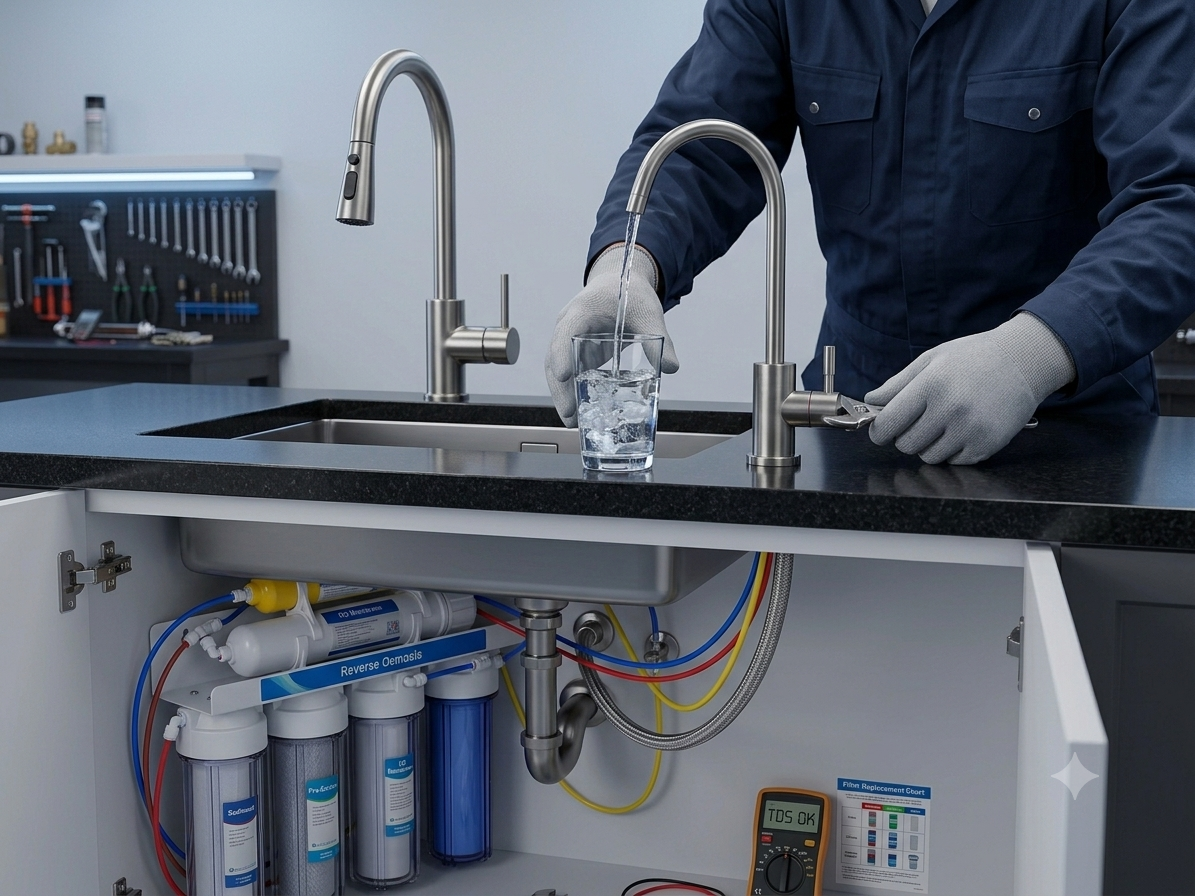


Water Purifier for Sink: Ultimate Buyer and Installation Guide
Water purifier for sink installations are becoming incredibly popular in modern residential kitchens today. Therefore, many homeowners are investing in these compact filtration systems to secure clean drinking water. Having a reliable filtration unit right at your main kitchen counter is essential for healthy living. For example, you need pure water for cooking meals, washing fresh vegetables, and filling daily drinking bottles. However, choosing the perfect model requires a clear understanding of different filtration methods and space constraints. Fortunately, this comprehensive guide will explore everything you need to know about these under-sink and faucet systems. We will cover the core mechanics, installation steps, and long-term maintenance practices. Additionally, we will discuss filter replacements and water quality testing today.
Major Health Benefits of Installing a Countertop or Under-Sink Filter watch for more
Understanding the health advantages of a water purifier for sink setup can help you make a smart investment decision. Traditional tap water often contains invisible impurities that travel through aging city pipeline systems. For instance, harmful contaminants like heavy metals, chlorine, and microplastics frequently settle inside regular tap water. Consequently, consuming these elements over a long period can lead to various digestive issues and chronic health conditions. A dedicated kitchen sink purification system acts as a reliable final barrier against these microscopic threats. It successfully strains out dangerous chemicals while preserving the natural taste of your drinking water.
Furthermore, removing excess chlorine improves the overall smell and flavor of your household water significantly. This upgrade makes a noticeable difference when you brew morning coffee or cook complex family recipes. Children are also more likely to stay hydrated when clean water is readily accessible directly from the kitchen counter. Therefore, installing a filtration unit upgrades your entire lifestyle while protecting your family from waterborne diseases. It provides total peace of mind every single time you turn on the kitchen tap.
Different Types of Water Purifier for Sink Systems Explained
When shopping for a water purifier for sink application, you will encounter two main structural designs in the market. The first option is the under-sink water filter system, which remains completely hidden inside your lower kitchen cabinetry. These heavy-duty units usually connect directly to your cold water line and route purified water to a dedicated dispenser faucet. Because they sit out of sight, they do not clutter your main countertop workspace. The second popular option is the faucet-mounted filter, which attaches directly to the tip of your existing kitchen spout. Faucet filters are highly compact, affordable, and incredibly easy to set up within a few minutes.
However, under-sink filtration systems generally offer much better purification stages compared to smaller faucet attachments. Many under-sink models combine sediment pre-filters, carbon blocks, and reverse osmosis membranes into a single powerful system. This multi-stage process ensures that even the most stubborn chemical dissolved solids are completely removed from your supply. On the other hand, faucet filters are ideal for renters who cannot make permanent plumbing alterations to their apartments. By comparing these two distinct design formats, you can easily choose the system that matches your residential layout.
Step-by-Step Installation Process for Kitchen Filtration Units
Setting up a water purifier for sink system does not always require hiring an expensive professional plumber. Most modern manufacturers design their filtration kits with simple quick-connect fittings for straightforward do-it-yourself installation. First, you must completely shut off the main cold water supply valve located underneath your kitchen cabinet. Open the hot and cold kitchen faucets to drain any remaining pressure from the water lines safely. Next, disconnect the flexible faucet supply hose from the main shut-off valve using an adjustable wrench tool. Attach the specialized T-adapter valve included in your purification kit directly to the cold water line.
Once the adapter is secure, mount the main filter housing bracket onto the side wall of your under-sink cabinet. Ensure you leave at least a few inches of clearance at the bottom for future filter cartridge changes. Connect the color-coded plastic tubing from the T-adapter to the inlet port of your new filtration unit. After that, route the outlet tube from the filter up to your dedicated drinking water dispenser faucet. Finally, turn the main water valve back on slowly and inspect every single connection point for minor moisture leaks. Allow the water to run continuously for ten minutes to flush out any loose carbon dust before drinking.
Key Maintenance Rules to Keep Your Purifier Running Efficiently
To ensure your water purifier for sink system delivers clean water, you must implement a strict maintenance schedule. The most critical task involves replacing the internal filter cartridges before they become completely clogged with dirt. Over time, sediment pre-filters trap heavy particles like rust and sand, which slowly reduces your overall water pressure. If you notice your drinking faucet running significantly slower, it means the filters are full of debris. Typically, standard carbon block cartridges require replacement every six to twelve months depending on your household usage.
Furthermore, reverse osmosis membranes inside advanced under-sink units can last up to two full years before requiring upgrades. Neglecting these replacement dates can result in bacteria growing inside the filter housing, which ruins your water quality. It is also a good habit to wipe down the exterior plastic housing with a damp cloth regularly. Check the flexible plastic tubes every few months to ensure they are not bending or rubbing against sharp objects. Taking these simple preventative maintenance steps protects your appliance investment while keeping your drinking water perfectly crisp and pure.
Comparing Reverse Osmosis and Carbon Block Sink Filters
Choosing the right filtration technology for your water purifier for sink project depends on your local water quality. Reverse osmosis systems use a semi-permeable membrane to remove almost one hundred percent of all dissolved solids. This technology is highly effective if your home receives hard water filled with heavy minerals or chemical runoff. Consequently, reverse osmosis delivers the highest level of purification available for residential properties today. However, these systems do produce a small amount of wastewater during the filtration process, which drains out automatically.
In contrast, activated carbon block filters work by absorbing chemicals and odors without wasting a single drop of water. They are highly efficient at removing chlorine, volatile organic compounds, and bad tastes from municipal tap water. Carbon filters also tend to be more affordable to purchase and maintain over the years. However, they cannot remove dissolved minerals or heavy salts as effectively as a reverse osmosis membrane can. Therefore, testing your home water quality with a simple TDS meter tool is a smart idea before buying. This test allows you to invest in the exact technology required to clean your specific water supply.
Environmental and Financial Savings Over Bottled Water Options
Investing in a permanent water purifier for sink system provides massive long-term financial savings for your household budget. Purchasing plastic water bottles from local grocery stores accumulates a significant financial expense over a single calendar year. Additionally, transporting heavy water jugs back to your house requires constant physical effort and wastes valuable storage space. By filtering your own tap water at home, you gain an unlimited supply of clean water for pennies. The initial cost of the purification unit pays for itself within the first few months of regular use.
Beyond the financial benefits, using a home kitchen filter reduces your personal environmental footprint dramatically. Millions of plastic water bottles end up in local landfills and oceans every single day, causing severe pollution. Because an under-sink purifier uses reusable faucet dispensers, you completely eliminate the need for single-use plastics in your home. You can simply fill up stainless steel bottles before heading out for work or school activities. Therefore, making the switch to a sink purifier protects both your hard-earned money and the natural ecosystem simultaneously.